
Farsol Services GmbH – responsible remediation, safe dismantling.
Hazardous-material
remediation
strip-out and building refurbishment from a single provider
We prepare existing buildings safely for a new use, modernisation or the next construction phase – for private, commercial and public projects.

- 01 Hazardous-material remediation Review findings and plan protected zones
- 02 Strip-out Selectively remove non-load-bearing elements
- 03 Controlled dismantling Protect fabric and separate materials
- 04 Building refurbishment Prepare areas for subsequent trades
Service overview
Four core services,
one point of contact
Hazardous-material remediation, strip-out, dismantling and refurbishment can be commissioned separately or as one coordinated sequence. Industry and warehouse support remains clearly distinct.
- L-01 Hazardous-material remediation Asbestos-containing building materialsMan-made mineral fibres and older mineral woolMaterials containing PCBBuilding materials and adhesives containing PAHContaminated floor and wall layersContaminated insulationContaminated building elements and technical areasOther dangerous or harmful substances identified in the building
- L-02 Building strip-out Remove non-load-bearing internal wallsRemove wall and ceiling finishesLift floor finishes and substructuresRemove screed and floor build-upsRemove doors, frames and fixed fittingsRemove kitchens and sanitary fittingsRemove suspended ceilingsRemove insulationRemove technical fittings that have been released beforehandSeparate materialsTransport and orderly disposalLeave the work area broom-clean
- L-03 Selective and controlled dismantling Dismantle materials separately wherever possibleCut and remove concrete and reinforced concrete in a controlled wayDismantle plant, steel structures and technical fittingsRemove foundations, slabs and floor build-upsProtect elements that are to remainDirect materials to suitable recovery or disposal routesKeep work areas orderly and traceable
- L-04 Building refurbishment Prepare buildings for alteration and modernisationRemove damaged or affected building materialsRemove redundant fittingsRemediate and prepare affected building areasExpose walls, ceilings and floorsCarry out enabling work for subsequent tradesCoordinate dismantling and remediation phasesClear the area, separate materials and hand it over broom-clean
- L-05 Industrial and warehouse support General warehouse and production workOrder picking and preparation of goodsPacking and sortingLoading and unloading within permitted activity limitsInternal transport and clearing workMaterial preparationSupport with inventory workSimple assembly and dismantlingCleaning and organisation in warehouse and production areasSupport for moves and site relocationsOther agreed support tasks

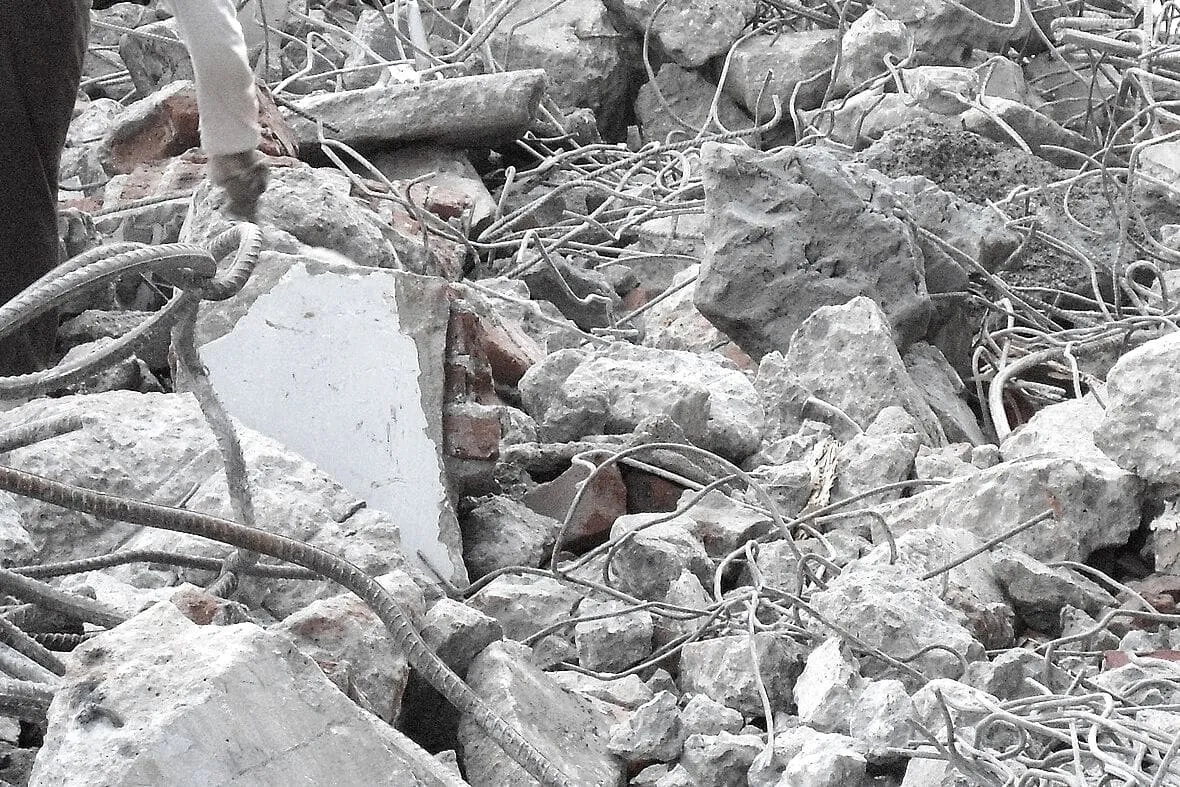


From a single provider
One point of contact for the agreed services
We capture the requirement, inspect the building and records, define the scope clearly and coordinate protection, execution, material routes, documentation and handover.
Who we work for
From one apartment to a large existing-building project
Services are planned around the building, its use and the actual requirement.
- Property owners
- House and property managers
- Housing associations
- Construction companies and main contractors
- Architects and engineering practices
- Property developers
- Industrial and commercial businesses
- Hotels and hospitality businesses
- Retail companies
- Insurers and loss assessors
- Public and municipal clients
- Private clients
Why Farsol Services GmbH?
Planning, safety and transparent coordination
- 01
One point of contact
Coordination runs through one central responsible contact.
- 02
Individual project planning
Scope and sequence follow the building and its use.
- 03
Safety as the foundation
Protection measures and work zones are planned before execution.
- 04
Structured workflows
Each step has clear prerequisites and handovers.
- 05
Programme coordination
Site management, owners and other trades are involved early.
- 06
Controlled material handling
Separation, packaging, transport and disposal are planned for the project.
- 07
Transparent quotes
Additional services or missing investigations are identified as early as possible.
- Next step Plan your project with us Tell us about the property, scope and the next practical step. Request a survey or quote
Project process
Eight clear steps to handover
- 01
Initial contact
We capture the project, the building and the required programme.
- 02
Site visit
We inspect the building or the affected areas.
- 03
Review and planning
Reports, laboratory results, plans and protection requirements are assessed.
- 04
Quote
The agreed scope is set out clearly.
- 05
Work-zone setup
Access, protection zones and material routes are established.
- 06
Execution
Remediation, strip-out and dismantling work is coordinated.
- 07
Disposal and documentation
Materials are separated, prepared, transported and documented.
- 08
Handover
The agreed condition is checked and handed over.
Frequently asked
Questions clients ask before requesting a quote
If your question is not here, ask it — we answer in writing before the site visit.
01 How can I recognise hazardous materials in a building?
Many hazardous materials cannot be identified safely by appearance or smell. Age, previous use and installed materials provide clues but do not replace a suitable investigation. Sampling and laboratory analysis may be necessary where there is a concern.
02 Is a hazardous-material check needed before strip-out?
Before work begins, the building and use history, available records and existing findings are reviewed. In older or industrial buildings, it must be established whether suspect materials may be present or there are reasonable grounds for concern. If the available information is insufficient for the risk assessment, a professional survey, sampling and laboratory analysis may be required.
03 Does Farsol Services GmbH also handle transport?
Transport, material separation and orderly disposal can form part of the agreed scope. Routes, quantities and required records are clarified in advance.
04 Can buildings remain in use during the work?
That depends on the contamination, location of work zones, protection arrangements and building use. Continued use is possible only where work and occupied areas can be separated safely and project-specific requirements are met.
Quote
Talk to us about your project
Request a site visit or quote. The site address, description of the work and available records help with the first review.